

Fermentation Failures I’m Glad I Had (And What They Taught Me)
May 23 | Written By Sabrina Huizar
There’s nothing like the sound of a jar lid hissing open after a successful ferment—unless it’s the sound of your yogurt sloshing like runny milk or a sourdough starter bubbling with all the enthusiasm of a swamp.
I’ve had my fair share of fermentation wins. But let’s be honest: I’ve had plenty of flops too. Moldy kraut. Gassy kefir. Kombucha that went full rocket fuel.
Instead of tossing those experiences out with the curdled milk, I learned to keep them. Because every time a ferment failed, it handed me a lesson—about technique, patience, or just letting go.
So in the spirit of radical transparency (and microbial mischief), here are a few of my favorite fermentation flops—and the surprising wisdom they offered.
1. The Yogurt That Never Set
I did everything “right.” Heated the milk. Cooled it. Added the culture. Waited. And… nothing. Just slightly sour milk blinking up at me after 12 hours.
What it taught me:
Even cultures need a soft landing. I’d let my milk cool too far before inoculating, and my culturing temperature was all over the place. But it reminded me that yogurt isn’t fast food—it’s slow magic.
Next time, I swaddled the jar like a newborn and kept the temperature steady. It set like a dream.
Also? That “failed” batch made a killer smoothie base.
BONUS: I can’t tell you how many times I forgot to add the starter.
2. The Foreign Invader
There it was—my kombucha. My best batch yet. I could feel it. I open it up and leaned in, ready to admire my masterpiece… and then I saw it.
Something tangled in the pellicle. It looked suspiciously like a worm.
Cue panic. I stared at it for a solid five minutes before I dared go in. I was waiting for movement. Finally, I pulled it out—just a swollen rubber band.
What it taught me:
Double-check your setup. I still don’t know how that rubber band got in there, but the scare alone taught me to slow down, scan my workspace, and maybe breathe a little.
3. The Sourdough That Never Rose
I fed it. I whispered encouragement. I gave it time. Still, the dough stayed as dense as a doorstop. I baked it anyway. It had the texture of artisan concrete.
What it taught me:
That starter needed time. It had been neglected between bakes and needed consistent feedings to bounce back.
Also—ambition doesn’t speed up fermentation. Bread has its own clock, and it doesn’t care about your schedule.
4. The Kefir That Tried to Escape
I left a jar of milk kefir on the counter a bit too long in the peak of summer. When I opened it, the jar hissed, the grains looked mutinous, and the flavor? Let’s call it… spirited.
What it taught me:
Ferments are alive. And if you ignore them, they’ll throw a microbial rager without you.
Final Thoughts
Fermentation isn’t sterile. It’s messy, unpredictable, stubborn—and wildly rewarding. Each jar is a science experiment, a ritual, and a reminder to let go a little.
So if your yogurt flops, your sourdough sulks, or your kombucha smells like it might fight you—congrats. You’re fermenting with your hands, not just your eyes. And that’s where the real magic happens.
Stay tuned—and stay cultured.
—Sabrina
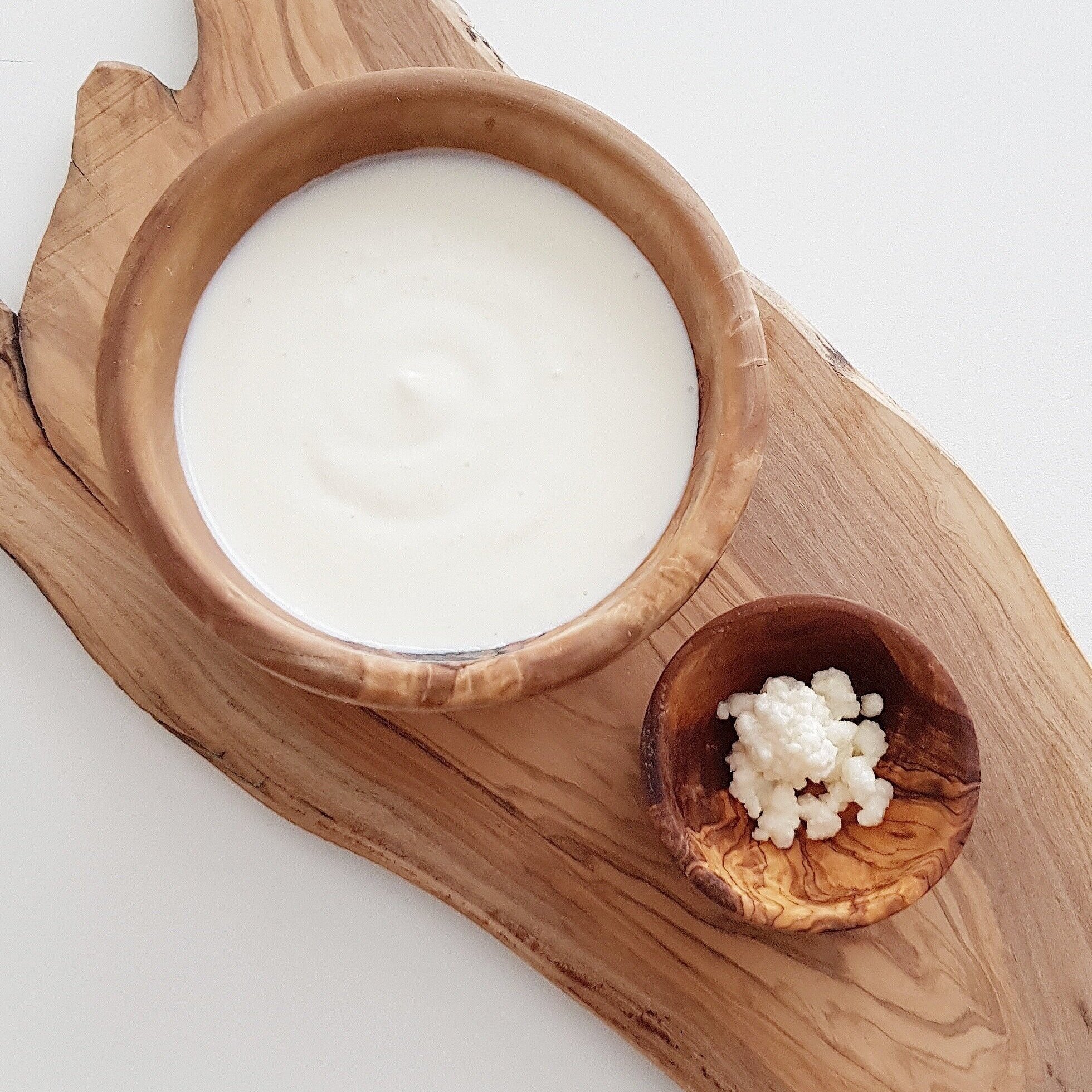
Our Milk Kefir Grains have been carefully sourced from cultures all around the world and blended together to create one of the most diverse and resilient kefir cultures available. The result is a lively, dependable culture that produces rich, tangy kefir full of character.
Milk kefir grains are living colonies of beneficial bacteria and yeasts that work together to ferment milk into a probiotic-rich drink known as kefir. Despite their name, they are not actual grains like wheat or rice. Instead, they resemble soft, jelly-like curds or small cauliflower florets. Milk kefir originates back centuries to the Caucasus Mountains, where kefir has long been cherished as a nourishing fermented milk drink. Traditionally passed down from generation to generation, kefir grains were often considered a treasured household culture.
As the grains ferment the milk, they feed on its natural sugars and transform it into a creamy, lightly tangy beverage with a gentle natural effervescence. The finished kefir is refreshing, complex, and wonderfully nourishing.
With regular care, milk kefir grains can be used indefinitely and will naturally grow and multiply over time, allowing you to continually produce fresh kefir at home. This makes them a favorite among both new fermenters and experienced cultured food enthusiasts.
Simple, traditional, and incredibly rewarding, milk kefir grains make it easy to enjoy fresh homemade kefir while supporting a healthy, balanced gut.
Expect:
• Tangy, creamy probiotic kefir
• Naturally complex flavor with gentle effervescence
• Living grains that grow and multiply over time
• Highly resilient and adaptable culture
• Continuous kefir production with proper care
• Perfect for drinking, smoothies, and cultured recipes
Lively, nourishing, and endlessly reusable, these milk kefir grains produce authentic homemade kefir that quickly becomes a staple in any fermentation kitchen.

Our Jun Tea Culture is often called the whimsical cousin of kombucha, and for good reason. Light, elegant, and refreshingly smooth, Jun produces a delicate fermented tea that feels both lively and refined. Its flavor is gently floral with a soft brightness that dances across the palate rather than delivering the stronger tang often associated with traditional kombucha.
What truly sets Jun apart is what it feeds on during fermentation. While kombucha cultures rely on sugar, Jun thrives on honey. This natural sweetness gives the finished tea a uniquely smooth character with subtle honeyed notes and a beautifully balanced effervescence.
Jun is also known for its quick fermentation and energetic personality. It tends to ferment faster than kombucha and produces a crisp, sparkling tea that is wonderfully refreshing on its own or perfect for flavoring with fruits, herbs, and botanicals.
Elegant, lively, and endlessly fun to brew, Jun is a delightful addition to any fermentation kitchen.
Expect:
• Light, delicate flavor with gentle tang
• Subtle floral and honey notes
• Naturally bubbly and refreshing
• Faster fermentation than traditional kombucha
• Fermented with honey rather than sugar
• Perfect base for fruit, herb, or botanical infusions
Bright, graceful, and wonderfully effervescent, Jun tea brings a touch of magic to the world of fermented beverages.
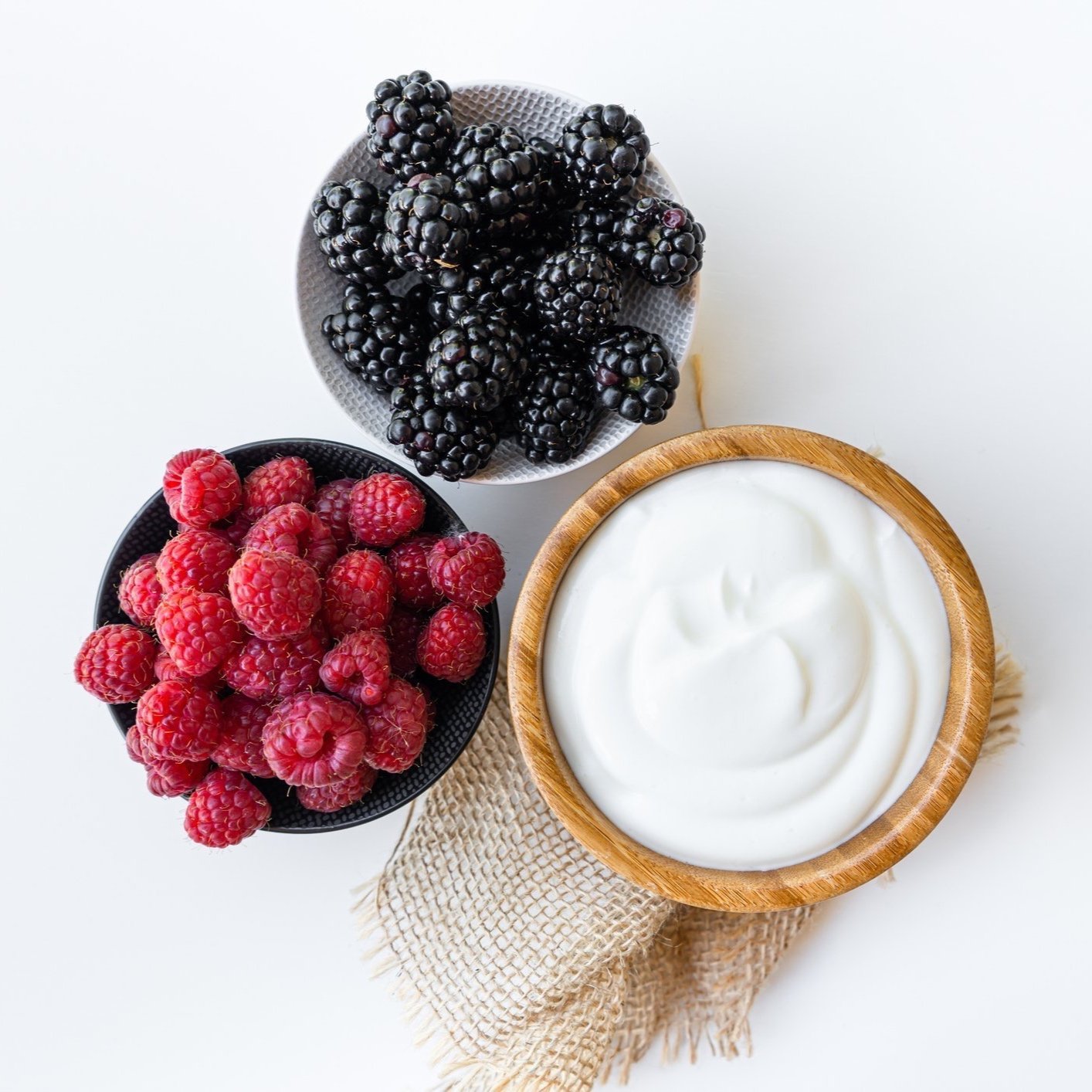
Our French Thermophilic Yogurt Culture produces the classic French-style set yogurt known for its beautifully smooth texture and elegant simplicity. Creamy, thick, and gently tart, this yogurt offers a refined experience that feels both indulgent and delicate.
Unlike many yogurts that are cultured in large batches and then stirred, traditional French-style yogurt is cultured directly in the serving container. The milk is inoculated and allowed to ferment right in the glass or jar it will be eaten from. Because the yogurt is never stirred, it develops a perfectly smooth, custard-like set that holds its structure beautifully.
The flavor is mild and slightly tart, with a creamy body that feels luxurious without being heavy. While it shares some similarities with Greek yogurt in richness, French-style yogurt is known for its exceptionally smooth consistency rather than its thickness from straining.
Simple, elegant, and deeply satisfying, this culture allows you to recreate the classic French yogurt experience right at home.
Expect:
• Thick, creamy set-style yogurt
• Smooth, custard-like texture
• Mild flavor with gentle tartness
• Unstirred yogurt that holds its shape beautifully
• A refined, traditional French yogurt experience
Creamy, smooth, and effortlessly elegant, this culture brings the timeless charm of French-style yogurt straight to your kitchen.