

The First Batch is a Lie: What to Expect When Activating Yogurt Cultures
May 6 | Written By Sabrina Huizar
You’ve got your milk. You’ve got your culture. You’ve got that giddy new-project energy. You mix, incubate, and wait with the eager anticipation of someone about to meet their first homemade yogurt. And then…
It’s thin.
It smells weird.
It’s got little flakes floating in it.
It barely set—if at all.
And you think: I did everything right. Did I ruin it?
Take a deep breath. This is what we call The First Batch Lie—and it gets everyone.
Why the First Batch Is Usually a Flop (and That’s Okay)
When you’re activating a yogurt culture for the first time, that culture has been dormant. The bacteria inside are sleepy, fragile, and a little shocked to be waking up in your warm milk.
The first batch isn’t about making perfect yogurt. It’s about reviving the culture. Like stretching before a marathon, it’s just the beginning.
Here’s what you might see in a first batch:
A loose, pourable consistency
Off smells (think cheesy or overly sour)
Faint yellow whey separation
Little specks or undissolved flakes from the culture
A texture that’s more pudding skin than pudding
Totally normal. Not a failure. Just fermentation doing its weird little thing.
What to Do With the First Batch
This depends on your comfort level. If it looks and smells off to you, toss it and try again. Some folks don’t eat activation batches at all, just to be safe.
Pro tip: Start with small test batches (half a cup to one cup of milk). It saves milk and reduces pressure to eat yogurt that doesn’t feel right.
The Second and Third Batches: The Real Magic
By the second or third batch, your culture should have shaken off the dust and started to thrive. The yogurt should:
Set more firmly
Smell clean and tangy
Have a smoother texture
Taste better overall
You’re not aiming for perfection yet—just progress. Most cultures don’t hit their true stride until batch four or five.
When to Worry
Here’s what’s not normal—even in a first batch:
Pink or orange streaks
Smells like rotting meat, eggs, or anything truly off-putting
Visible mold
If you see any of those, it’s safest to discard the batch, sterilize your equipment, and start over with a new packet.
Tips to Set Yourself Up for Success
Use fresh milk
Sterilize your jars and utensils—no need to go lab-grade, just hot water or dishwasher-clean
Monitor your temperature
Be patient—don’t judge a culture by its first batch
Final Thoughts
Your yogurt culture is like a new friendship. It takes time to understand each other. The first few encounters might be awkward, but once you get into a rhythm, the relationship becomes one of the most rewarding, nourishing parts of your kitchen life.
So if your first batch was a little weird—congrats. You’re doing it right.
Stay tuned—and stay cultured.
—Sabrina

Our Icelandic Skyr Mesophilic Culture allows you to create the traditional cultured dairy beloved throughout Iceland for centuries. Thick, creamy, and wonderfully mild, skyr has the consistency of strained yogurt but is technically classified as a fresh cheese.
This culture follows the traditional Icelandic method of skyr-making while using mesophilic cultures that ferment comfortably at room temperature. The milk is first cultured, allowing the beneficial bacteria to develop flavor and structure. It is then gently strained to create the thick, smooth texture that skyr is known for. Unlike many traditional skyr preparations, this specific method does not require rennet.
The finished skyr is thick, creamy, and mild with a delicate tang and a beautifully smooth body. It can be enjoyed plain, sweetened with fruit or honey, blended into smoothies, or used as a rich, protein-packed base for countless recipes.
Simple, traditional, and deeply satisfying, this culture makes it easy to bring authentic Icelandic skyr into your kitchen.
Expect:
• Thick, strained yogurt-style cultured dairy
• Mild flavor with a gentle tang
• Smooth, creamy texture
• Easy room-temperature (mesophilic) culturing
• No rennet required
• Perfect for breakfast bowls, smoothies, and desserts
Creamy, mild, and wonderfully nourishing, this culture produces authentic homemade skyr that has been cherished in Icelandic kitchens for generations.
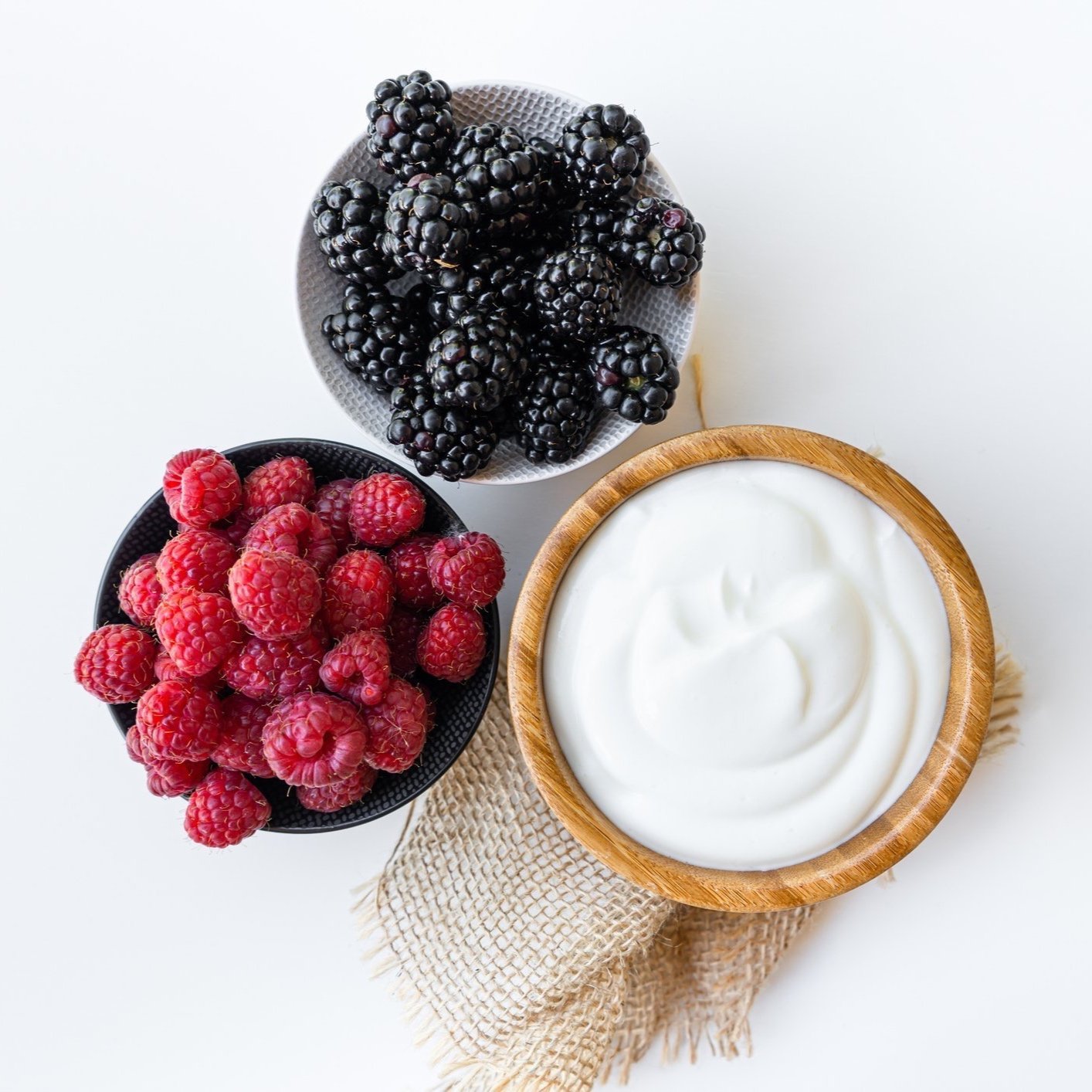
Our French Thermophilic Yogurt Culture produces the classic French-style set yogurt known for its beautifully smooth texture and elegant simplicity. Creamy, thick, and gently tart, this yogurt offers a refined experience that feels both indulgent and delicate.
Unlike many yogurts that are cultured in large batches and then stirred, traditional French-style yogurt is cultured directly in the serving container. The milk is inoculated and allowed to ferment right in the glass or jar it will be eaten from. Because the yogurt is never stirred, it develops a perfectly smooth, custard-like set that holds its structure beautifully.
The flavor is mild and slightly tart, with a creamy body that feels luxurious without being heavy. While it shares some similarities with Greek yogurt in richness, French-style yogurt is known for its exceptionally smooth consistency rather than its thickness from straining.
Simple, elegant, and deeply satisfying, this culture allows you to recreate the classic French yogurt experience right at home.
Expect:
• Thick, creamy set-style yogurt
• Smooth, custard-like texture
• Mild flavor with gentle tartness
• Unstirred yogurt that holds its shape beautifully
• A refined, traditional French yogurt experience
Creamy, smooth, and effortlessly elegant, this culture brings the timeless charm of French-style yogurt straight to your kitchen.
Our Original Greek Thermophilic Yogurt Culture produces a rich, creamy, beautifully tart yogurt that captures the classic flavor people love about traditional Greek yogurt. Thick, satisfying, and naturally high in protein, it delivers the familiar store-style experience without added sugars, stabilizers, or unnecessary ingredients.
This thermophilic culture thrives at warm fermentation temperatures and produces a clean, bright tang with a luxurious texture. When the yogurt is strained, much of the whey is removed, creating the thick consistency Greek yogurt is known for. The result is a spoonable, velvety yogurt that feels both indulgent and nourishing.
You can strain it lightly for a classic Greek-style yogurt or strain it further for an ultra-thick texture approaching cream cheese. The longer you strain, the thicker and richer it becomes. And don’t toss that whey! It’s full of nutrients and flavor and works beautifully in smoothies, breads, soups, and even fermentation projects.
Simple, reliable, and wonderfully versatile, this culture brings authentic Greek yogurt making right into your own kitchen.
Expect:
• Classic Greek-style tartness
• Thick, creamy texture after straining
• Naturally high protein yogurt
• Reliable thermophilic fermentation
• Adjustable thickness depending on strain time
• Nutrient-rich whey perfect for baking, cooking, and smoothies
Bright, tangy, and deeply satisfying, this culture makes it easy to enjoy authentic Greek yogurt made fresh in your own kitchen.